A Local's Guide to Bethlehem Homes for Sale: What Buyers Should Know
When my wife and I first started looking at Bethlehem homes for sale, we did not fully understand what we were getting into. We knew the city had history and a good reputation, but the real estate market here is more layered than most people expect. After living in Bethlehem for several years and walking dozens of buyers through the process, I have come to see what makes this market tick. If you are considering a move to the Lehigh Valley, understanding the local housing stock, the neighborhood rhythms, and the practical trade-offs will save you time and frustration.
Why Bethlehem Draws Buyers
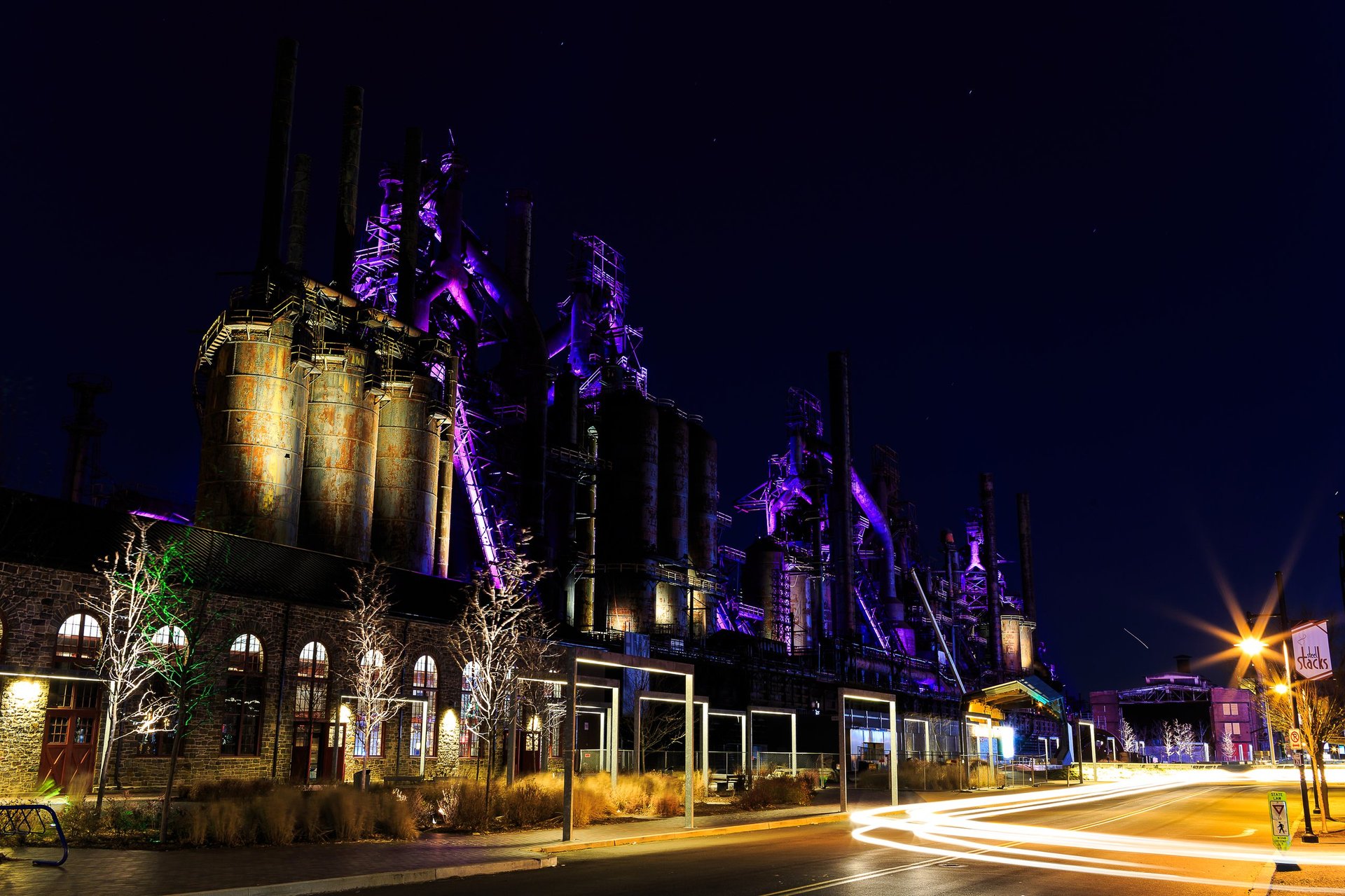
Bethlehem sits in a sweet spot between Philadelphia and New York, but it has its own identity. The city is known for the historic Moravian district, the busy South Side arts scene, and the massive SteelStacks campus that draws people year-round. But the real draw for home buyers is the variety of housing options. You can find a 250-year-old stone row house on a cobblestone street, a mid-century ranch in a quiet suburban development, or a new construction townhome near the river. That range is rare in a city of this size.
One thing I tell every buyer who visits the city for the first time: Bethlehem is not a one-size-fits-all market. The neighborhoods have strong personalities, and the housing stock reflects that. If you want a walkable lifestyle with coffee shops and restaurants steps away, the South Side or the historic district will fit. If you need a large yard and good schools, the West Side or the area near Lehigh University might be a better match. The key is matching the house to your actual daily life, not just the listing photos.
Understanding the Inventory
Inventory in Bethlehem has been tight for years, though it has softened slightly in the past twelve months. The median days on market for Bethlehem homes for sale sits around thirty to forty days, which is faster than the national average but slower than the frantic pace of 2021 and 2022. That means buyers have a bit more time to think, but good properties still move quickly. I have seen well-priced homes in desirable neighborhoods go under contract in under a week.
The types of homes available vary by price range. Under $250,000, you are mostly looking at condos, townhomes, and smaller fixer-uppers in neighborhoods that are still improving. Between $300,000 and $500,000, you find the bulk of the single-family homes, especially in the West Side and the areas around the city limits. Above $500,000, the market opens into larger historic homes, newer construction, and properties with more land. Each tier has its own competition level, so setting realistic expectations matters.
The Historic District: Charm vs. Practicality
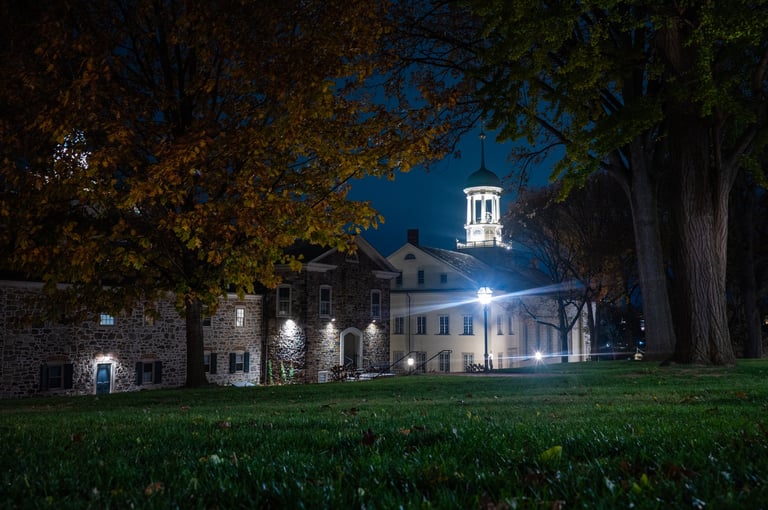
If you look at Bethlehem homes for sale in the historic district, you are probably drawn to the architecture and the walkability. And those are real benefits. Living in a home built in the 1700s or 1800s gives you character you cannot replicate. Thick stone walls, wide plank floors, fireplaces that actually work. But those homes come with trade-offs. Older plumbing, limited closet space, and heating systems that can be expensive to maintain. I have seen buyers fall in love with a historic facade only to realize the wiring is knob-and-tube and the basement floods during heavy rain.
That is not a reason to avoid historic homes. It is a reason to budget for inspections and repairs. A good home inspector who knows old construction is worth the cost. And if you are handy or willing to learn, these homes can be a rewarding project. But if you want a move-in ready property with modern systems, you might be happier in a newer development on the outskirts of the city.
South Side and the Arts District
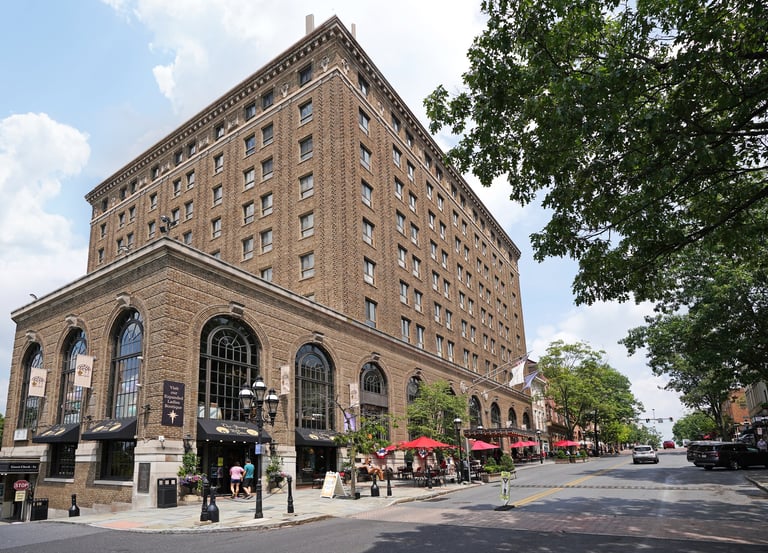
The South Side has changed dramatically over the past decade. What was once a working-class industrial neighborhood is now a hub for restaurants, galleries, and Lehigh University students. The housing stock here is a mix of row houses, small apartment buildings, and a growing number of new condos. Prices have risen, but the South Side still offers some of the most affordable entry points into the city. The trade-off is noise and parking. If you live near the main drag, you will hear the bars on weekend nights, and street parking can be a hassle. But if you want energy and convenience, it is hard to beat.
West Side and the Suburban Feel
The West Side of Bethlehem feels more like a traditional suburb. Tree-lined streets, larger lots, and a family-oriented vibe. Schools here are highly rated, and the homes tend to be newer, mostly built from the 1950s through the 1980s. You will find ranches, split-levels, and colonials. Prices are higher per square foot than the South Side, but you get more space and quieter streets. The downside is that you need a car for most errands. Walkability is limited to a few commercial strips. For buyers who prioritize schools and space over nightlife, the West Side is the obvious choice.
What Buyers Get Wrong
The most common mistake I see is buyers who focus solely on the price per square foot without considering the condition of the systems. An older home that needs a new roof, HVAC, and windows will cost you more in the first five years than a smaller, well-maintained home with a higher price tag. Another mistake is ignoring the commute. Bethlehem is not a huge city, but crossing the river at certain times of day can add twenty minutes to a trip. Make sure you drive the route from the house to your workplace during rush hour before you make an offer.
Financing is another area where buyers trip up. Some of the older homes in Bethlehem have unique characteristics that can complicate a conventional loan. For example, a home with a flat roof or a home that is part of a historic district may require special insurance or additional approvals. Work with a lender who has experience in the Lehigh Valley and understands the local quirks.
When to Buy and When to Wait
Timing the market is tricky. Spring and early summer are the busiest seasons, with the most listings but also the most competition. Fall can be a good time to buy because sellers who have been on the market for a while may be more flexible on price. Winter inventory is lower, but the buyers who are out there are often serious. I have seen some of the best deals happen in December and January, simply because there are fewer buyers bidding.
That said, trying to time the market perfectly is a fool's errand. The best time to buy is when you find a home that fits your needs and your budget. If you wait for prices to drop or for the perfect listing to appear, you might miss out. The market in Bethlehem has been stable for years, with gradual appreciation rather than wild swings. That stability is actually a good thing for long-term owners.
Final Thoughts on Buying in Bethlehem
Bethlehem is a city that rewards patience and local knowledge. The housing stock is diverse, the neighborhoods have distinct personalities, and the market moves at its own pace. If you take the time to understand what you are buying and what you are getting into, you can find a home that works for you. The key is to stay realistic about your budget, your willingness to handle maintenance, and your lifestyle priorities. And when you walk through a home that feels right, do not hesitate. The good ones still go fast.